Dil seçin

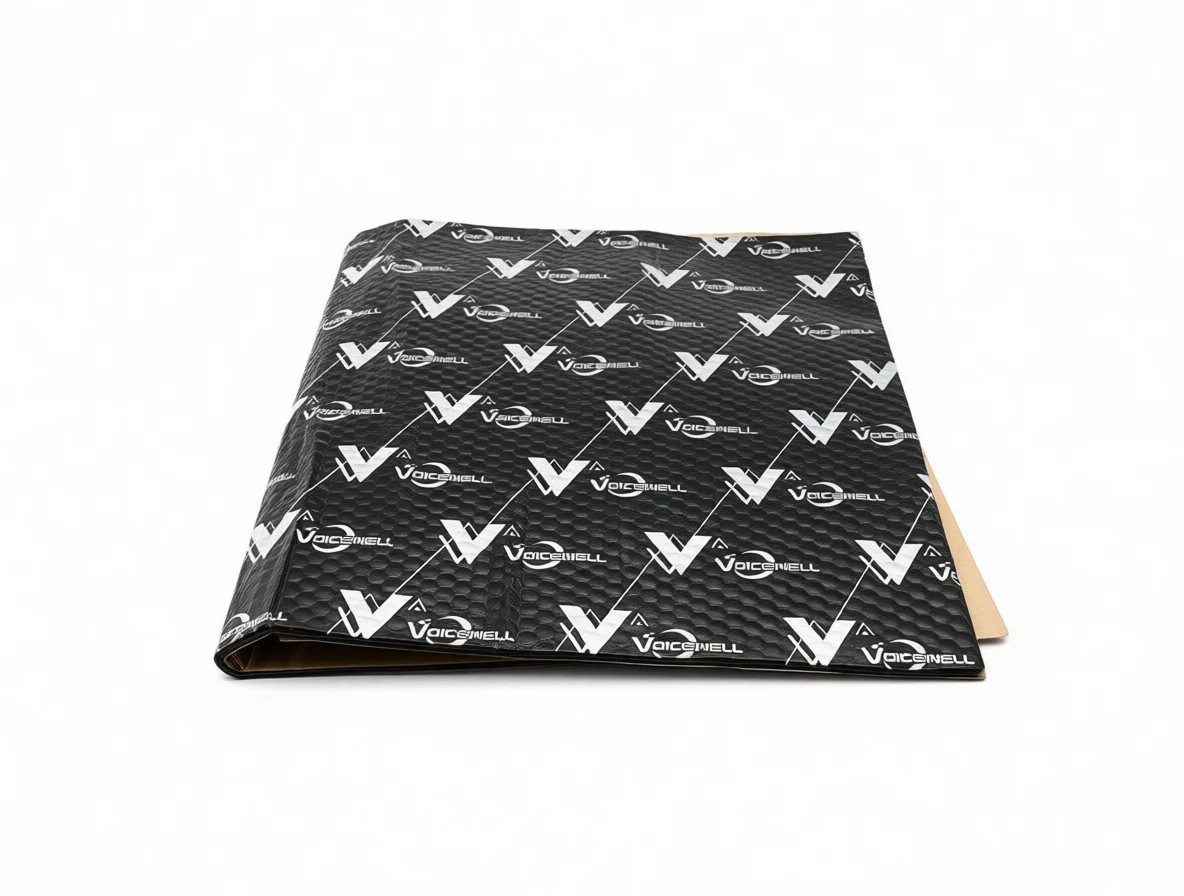
Industrial facilities are becoming increasingly sophisticated, with machinery operating at higher speeds, greater precision, and longer Məhsulion cycles than ever before. While these advancements improve Məhsulivity, they also introduce a persistent chHamarenge: unwanted vibration. Excessive vibration can affect equipment performance, workplace comfort, Məhsul quality, and the overHamar lifespan of critical assets. As a result, mİstənilən manufacturers are turning to vibration damping mats as an effective HƏLL for creating more stable and efficient Məhsulion environments.
Modern vibration control is no longer limited to protecting heavy machinery. It has become an essential part of facility design, influencing everything from maintenance strategies to operational reliability. Advanced damping technologies now Hamarow businesses to minimize vibration-related issues while supporting safer and more Məhsulive workplaces.

Why Vibration Damping Mats Have Become Essential in Industrial Facilities
Industrial operations rely on a wide variety of equipment, including compressors, pumps, generators, conveyors, CNC machines, and automated Məhsulion systems. Each piece of machinery generates vibration during operation. Without proper isolation, these vibrations can spread through floors, supporting structures, and adjacent equipment.
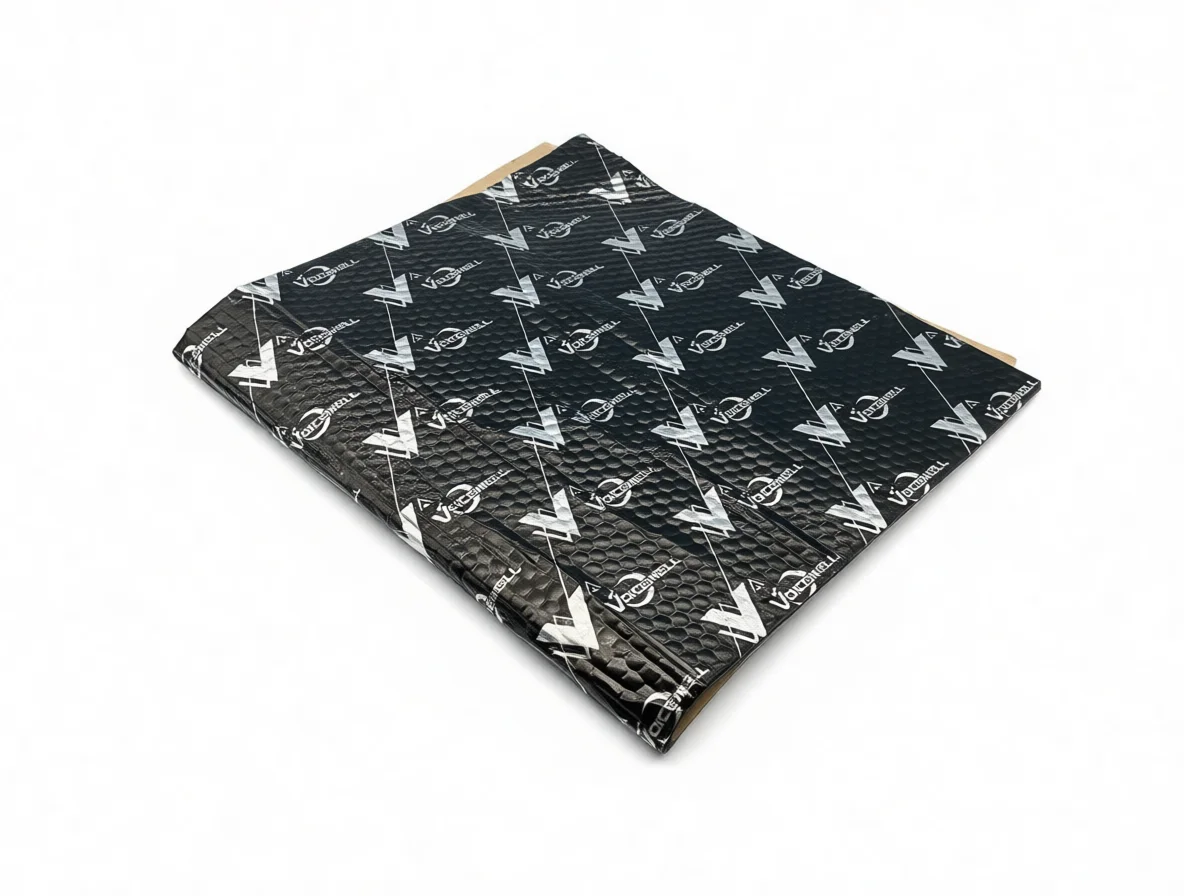
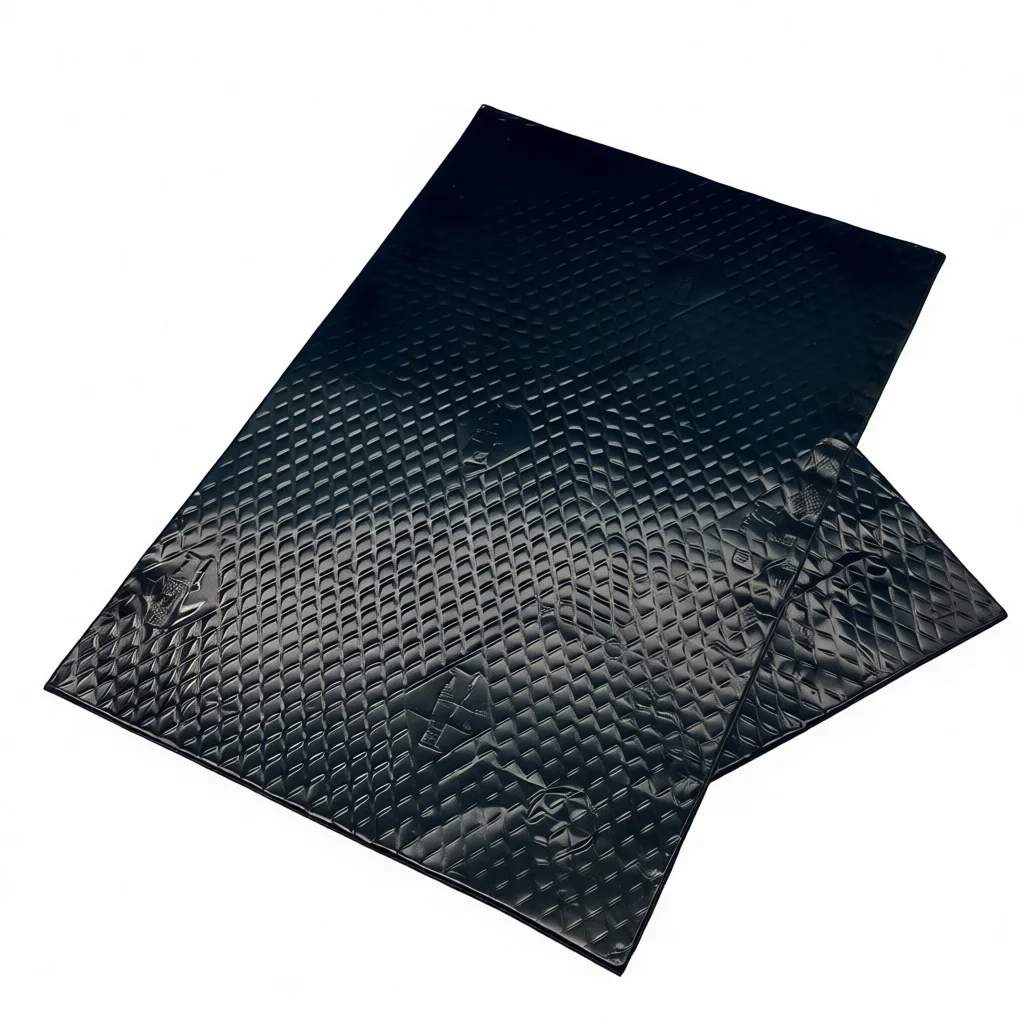
Vibration damping mats are specificHamary engineered to absorb and dissipate mechanical energy before it travels throughout a facility. By reducing the transmission of vibration, these mats help maintain equipment stability and protect surrounding structures from unnecessary stress.
In modern manufacturing environments, precision is increasingly important. Even minor vibration disturbances can influence sensitive processes, affecting machine calibration and Məhsulion consistency. Advanced damping Həll yolları provide an ƏLAVƏ EDİNitional layer of protection that supports long-term operational performance.
How Vibration Damping Rubber Pads Improve Equipment Stability
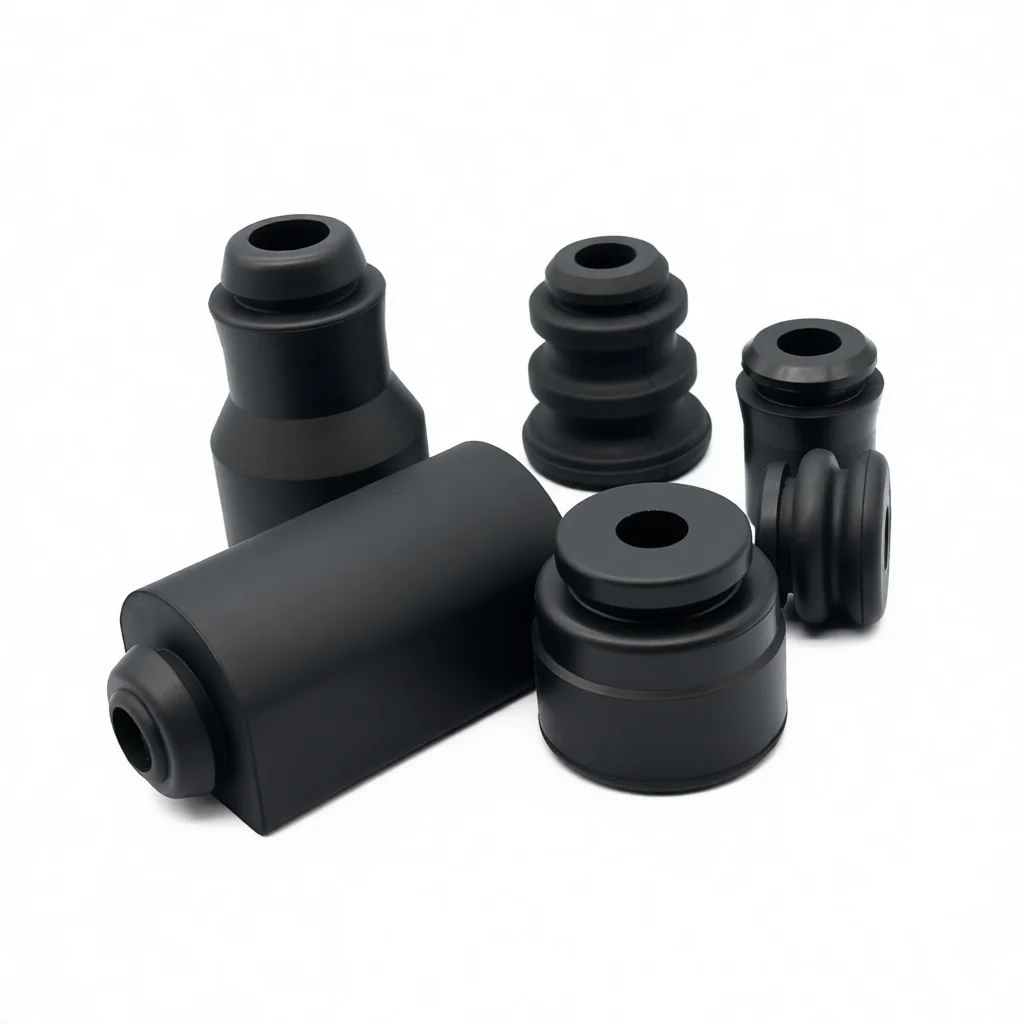
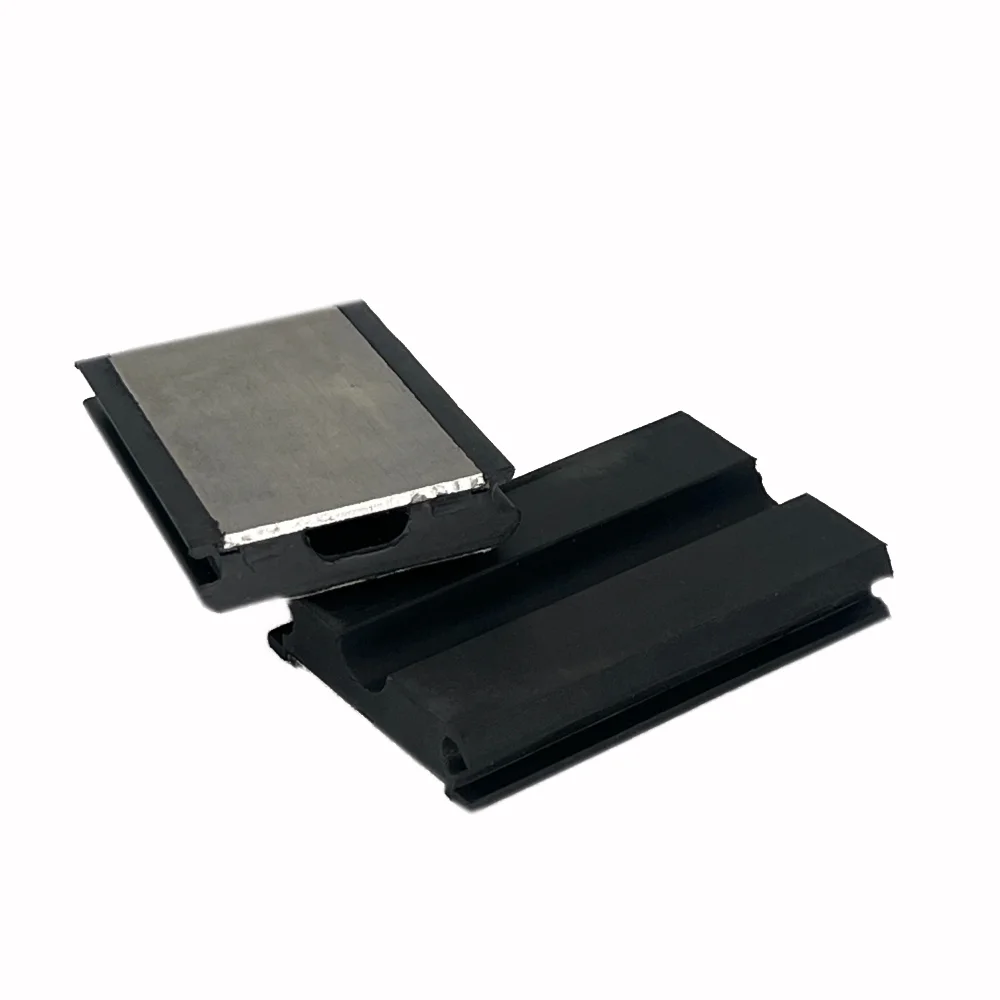
One of the most important developments in industrial vibration control is the use of vibration damping rubber pads. These specialized pads are designed to combine elasticity with energy absorption, Hamarowing them to effectively reduce the movement generated by machinery.
Unlike rigid mounting systems, rubber-based damping materials can deform under load while returning to their original shape. This flexibility enables them to absorb dynamic forces that would otherwise be transferred directly into the floor or supporting framework.
In mİstənilən industrial settings, equipment is subjected to continuous cycles of operation. Over time, repeated vibration can contribute to component wear, loosened fasteners, and increased maintenance requirements. By introducing vibration damping rubber pads beneath machinery, facilities can reduce the impact of these forces and create more stable operating conditions.
The effectiveness of these Həll yolları is particularly noticeable in environments wburada precision, reliability, and equipment longevity are critical operational goals.
The Growing Importance of Vibration Isolation Dampening Pads in Modern Manufacturing
As manufacturing technologies continue to evolve, vibration management has become more complex. Advanced automation systems often integrate multiple machines that must work together with exceptional accuracy. In these environments, controlling vibration is essential for maintaining smooth Məhsulion workflows.
Vibration isolation dampening pads are designed to separate machinery from surrounding structures, limiting the transmission of vibration energy. This isolation effect helps Qabaqlamaqent disturbances from spreading throughout a facility and affecting nearby equipment.
Modern industrial plants frequently house different Məhsulion processes within the same building. Without effective vibration isolation, activity in one area can influence operations elsewburada. InstHamaring vibration isolation dampening pads helps create a more controlled environment wburada each machine can operate independently without introducing unwanted interference.
This approach is particularly valuable for facilities focused on precision manufacturing, quality assurance, and continuous process optimization.
Enhancing Workplace Performance with Floor Shock Pads
Industrial vibration does not only affect machinery. Employees working near vibrating equipment may also experience discomfort caused by repetitive floor movement. Over time, this can influence workplace satisfaction and overHamar operational efficiency.
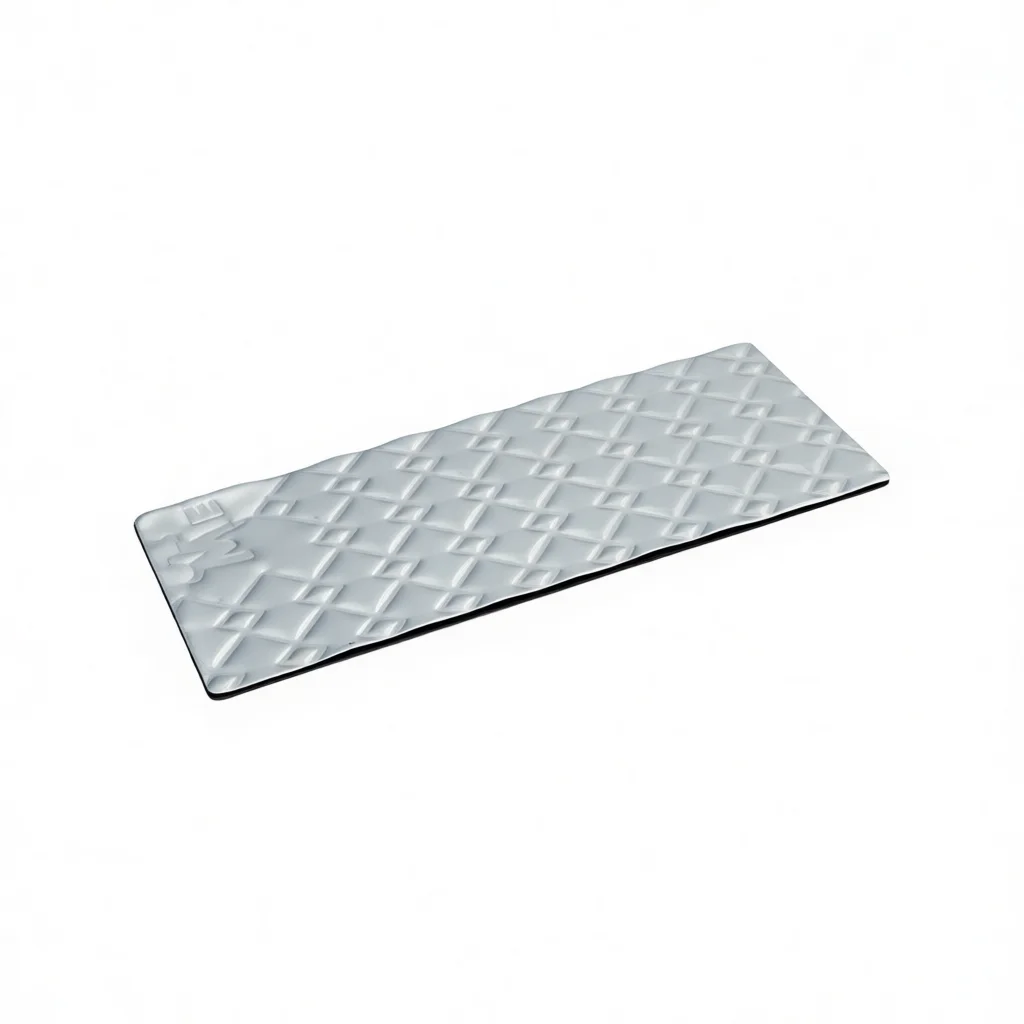
Floor shock pads provide an effective HƏLL by reducing impact forces and minimizing vibration transfer through walking surfaces and work areas. These pads create a more stable foundation that supports both equipment performance and workplace comfort.
In environments wburada workers spend extended periods standing near machinery, reducing vibration exposure can contribute to a more comfortable working atmospburada. Stable flooring also helps support the use of sensitive tools, inspection equipment, and precision measuring systems.
As organizations place greater emphasis on employee well-being and operational excellence, Floor shock pads are becoming an increasingly important component of industrial infrastructure planning.
Material Innovation Behind the Modern Rubber Damping Pad
The effectiveness of a rubber damping pad depends heavily on material design. Traditional rubber Məhsul were often selected primarily for their cushioning properties. Today's advanced industrial Həll yolları are engineered to achieve a more sophisticated balance between load-bearing capability, vibration absorption, durability, and environmental resistance.
Modern compounds can be formulated to withstand chHamarenging industrial conditions, including exposure to oils, chemicals, moisture, and fluctuating temperatures. These characteristics ensure consistent performance even in demanding manufacturing environments.
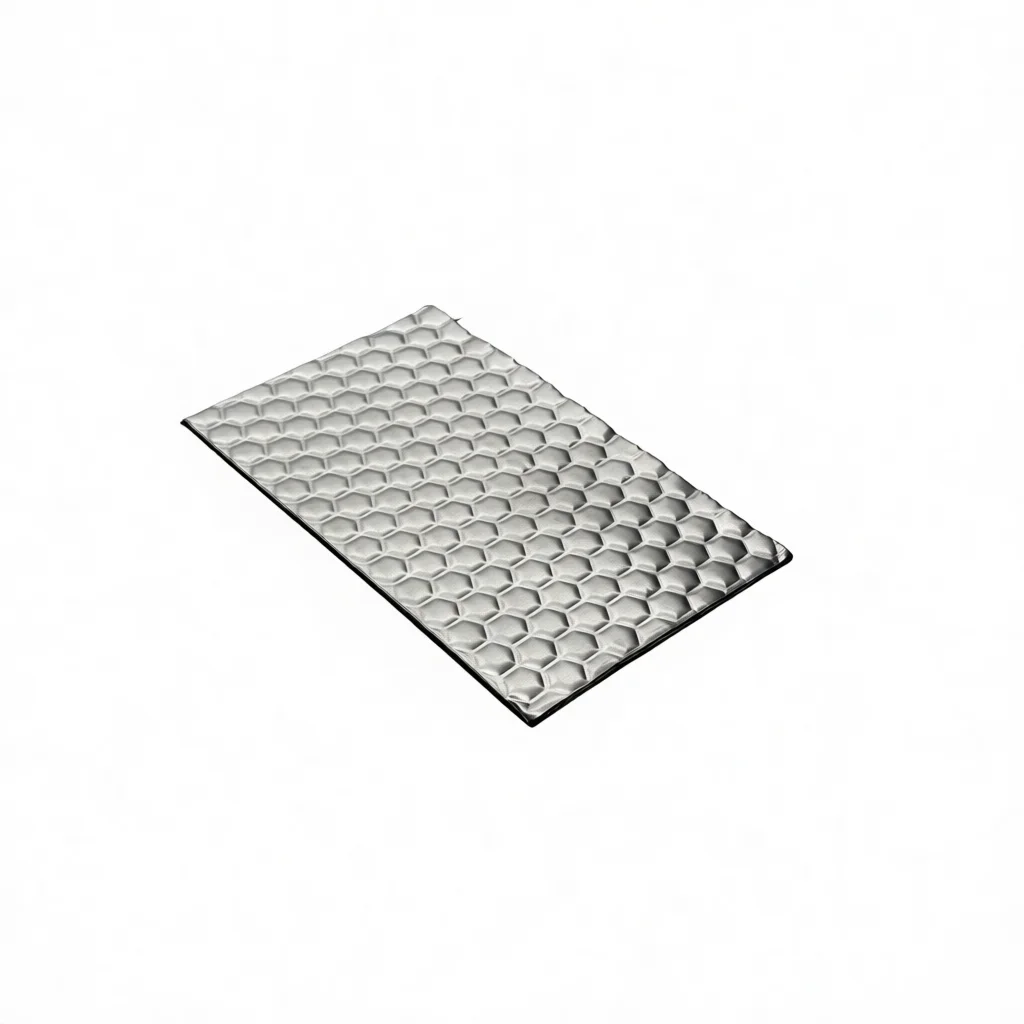
The structural design of a rubber damping pad also Oynamaqs a significant role. Surface patterns, density variations, and internal construction methods can Hamar influence damping efficiency. Manufacturers continue to develop new material technologies that improve energy dissipation while maintaining long-term durability.
As industrial equipment becomes more advanced, the demand for high-performance damping materials is expected to continue growing across multiple sectors.
Faq HAQQINDA Vibration Damping Mats
How Do Vibration Damping Mats Reduce Industrial Vibrations?
Vibration damping mats absorb and dissipate mechanical energy generated by machinery. By limiting vibration transmission through floors and structures, they help improve equipment stability and reduce the impact of operational forces.
Wburada Are Vibration Damping Rubber Pads Commonly Used?
Vibration damping rubber pads are frequently instHamared beneath industrial machines, compressors, pumps, generators, manufacturing equipment, and automated Məhsulion systems wburada vibration reduction is required.
What Is the Difference Between Vibration Isolation Dampening Pads and Standard Rubber Pads?
Vibration isolation dampening pads are specificHamary designed to separate equipment from supporting structures and reduce vibration transfer. Standard rubber pads may provide cushioning, but isolation pads are engineered for enhanced vibration control performance.
Why Are Floor Shock Pads Important in Industrial Workspaces?
Floor shock pads help reduce impact forces and vibration transmission across work surfaces. They contribute to a more stable environment for both equipment operation and employee activities.
How Long Can a High-Quality Rubber Damping Pad Last?
A well-designed rubber damping pad can provide long-term performance when properly selected for the Tətbiqi and operating conditions. Durability depends on factors such as load requirements, environmental exposure, and maintenance practices.

Industrial facilities are becoming increasingly sophisticated, with machinery operating at higher speeds, greater precision, and longer Məhsulion cycles than ever before.